
Learning from the past. Understanding the present.
Cultural learning connects historical awareness with the places and experiences around us. Clear information and thoughtful questions help make heritage accessible across generations.
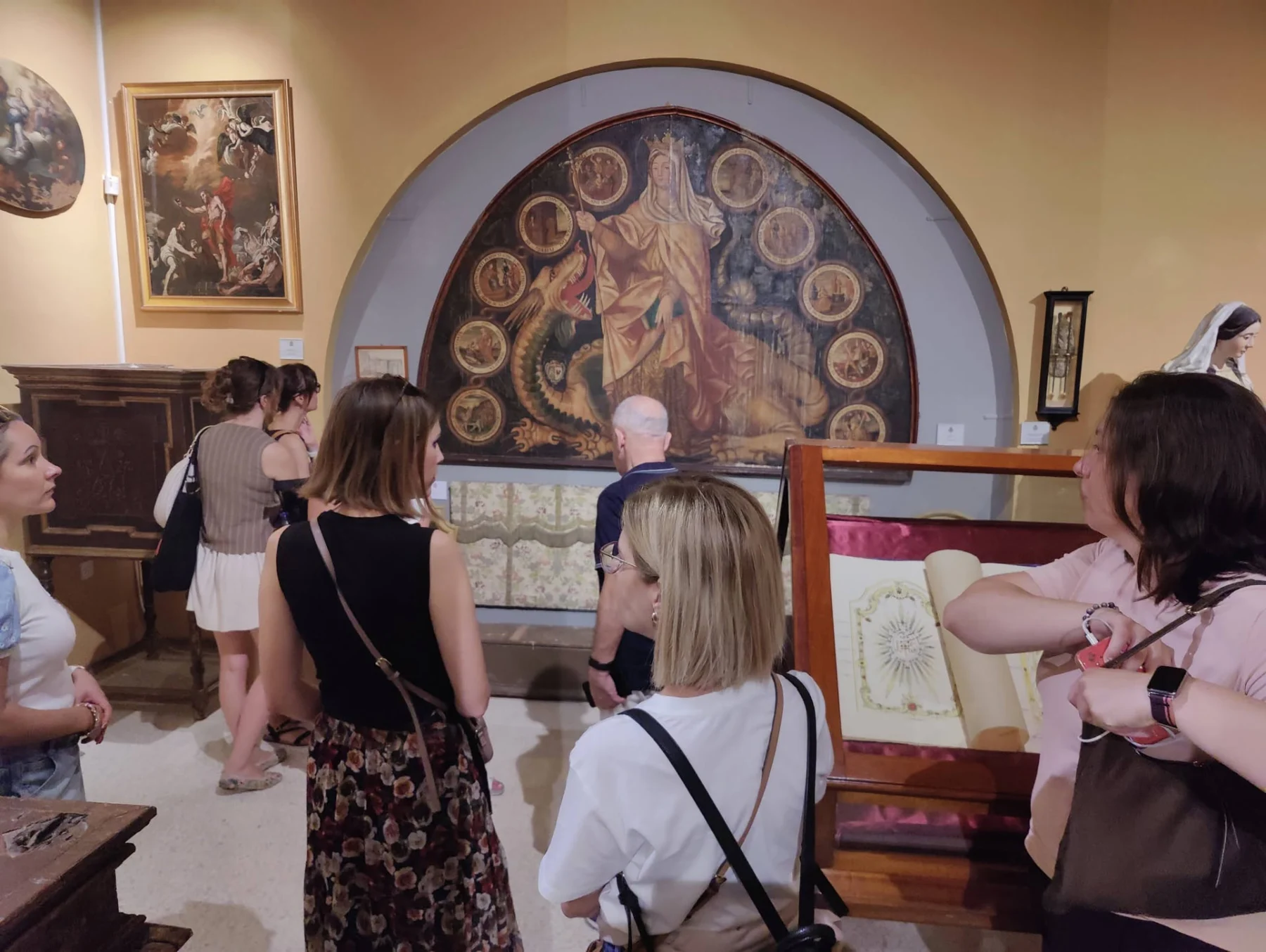
Why heritage education matters
Historical awareness helps explain how present-day communities took shape. It creates opportunities to question assumptions and appreciate cultural connections rather than simply memorize dates.
Local history as a learning resource
Familiar buildings, streets and public spaces can introduce wider historical subjects. Comparing records with present surroundings encourages careful observation.
Learning through stories
Oral histories offer human perspectives on cultural change. They should be understood as situated recollections and compared with other sources when making historical claims.
Knowledge across generations
Different generations contribute different experiences and questions. Listening, discussion and responsible documentation can connect those perspectives.
Heritage and civic awareness
Understanding the history of shared spaces can deepen appreciation of public resources. It also encourages reflection on how places are used and valued today.
Respectful historical research
Evaluate who created a source, when it was made and why. Keep a record of references, consider historical context and avoid presenting speculation as evidence.
Digital cultural resources
Digital copies can make cultural information easier to access. Accurate descriptions, permissions and preservation of original context remain important online.
Lifelong cultural curiosity
Learning about heritage can continue through reading, observation and conversation. Thoughtful questions often provide a better starting point than assuming a complete answer.
A question, a story, a shared interest.
Contact Ghaqda Kulturali Wirt Naxxari about our organizational identity or a cultural inquiry.
Get in touch