Heritage, in all its living forms.
Malta’s heritage can be explored through its places, traditions, skills and community memories. Understanding these connections gives familiar surroundings a richer cultural meaning.
Architectural heritage
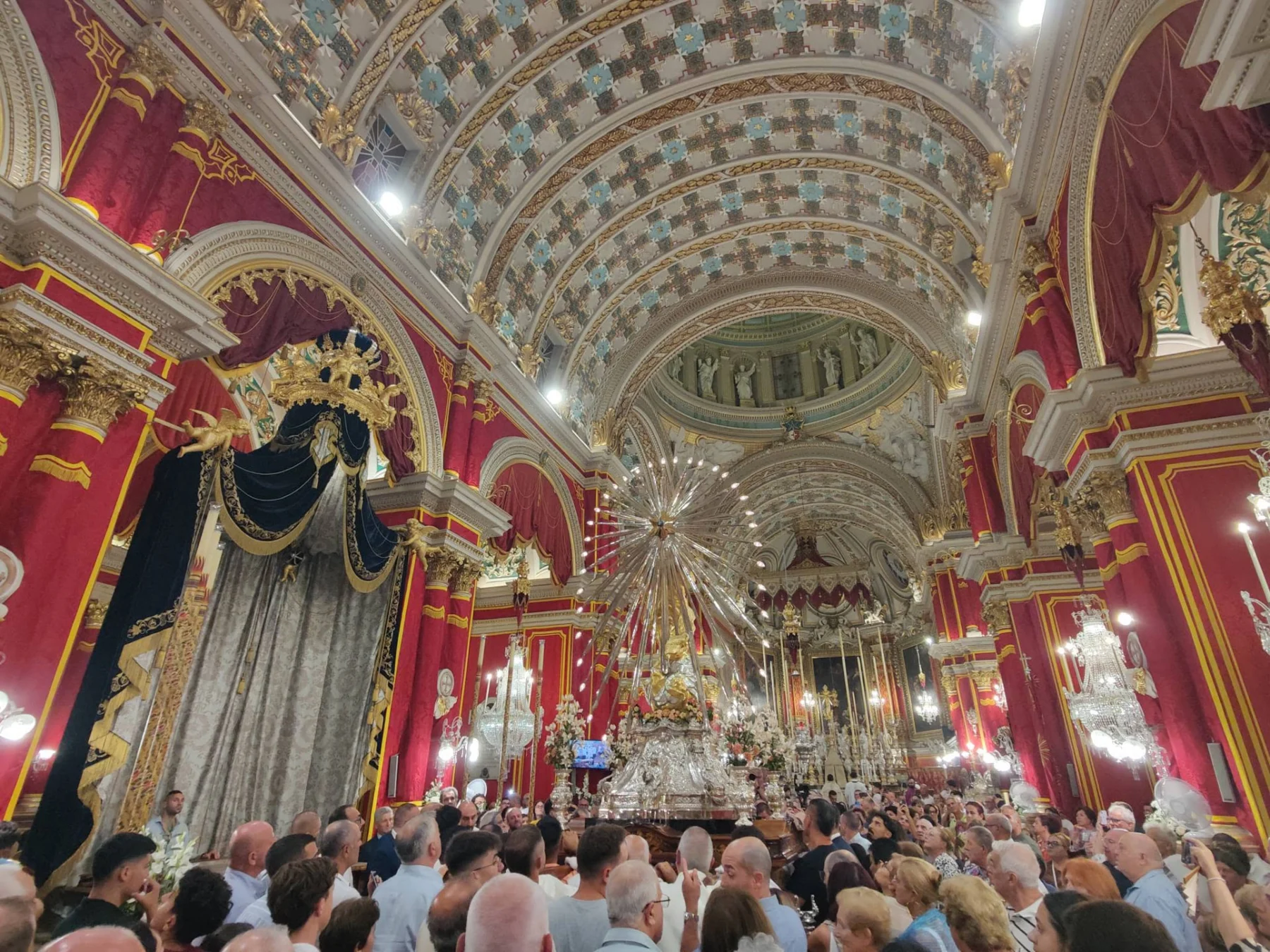
Traditional buildings, streetscapes and public spaces record how communities have lived and developed. Materials, balconies, doorways and the relationship between buildings and streets can reveal local character.
Appreciating architecture means considering everyday spaces alongside prominent monuments. Careful observation and reliable documentation help explain change without assuming a building’s age or history from appearance alone.
Local traditions
Community traditions contribute to belonging through familiar customs and shared practices. Their meaning often comes from participation, family experience and local context.
Traditions are living cultural expressions rather than fixed objects. Listening to different experiences helps explain how customs continue, adapt or acquire new meanings.
Oral history
Personal recollections and storytelling offer perspectives that may not appear in formal records. They connect broad historical themes with the experiences of individuals and families.
Memories should be recorded with permission and interpreted with care. A recollection can be valuable while still benefiting from comparison with photographs, documents and other accounts.
Traditional craftsmanship
Skills passed through practice and teaching carry cultural knowledge. Tools, materials and techniques reveal the relationship between creative work and everyday community needs.
Respectful documentation recognizes the maker as well as the finished object. Understanding a technique’s context is more useful than treating craftsmanship only as decoration.
Cultural celebrations
Public celebrations and shared customs can bring people together around familiar places, music and visual traditions. Their significance depends on the communities that sustain them.
These are general cultural themes. The photographs on this website do not establish that the organization hosted a particular celebration or gathering.
Historical documentation
Archival records, photographs and written accounts offer evidence for understanding the past. Dates, provenance and the purpose for which a record was created all affect interpretation.
Original materials deserve careful handling. Copies should preserve attribution and context, and publication should respect copyright and personal privacy.
Heritage and young people
Familiar places can make cultural learning tangible. Comparing photographs, asking questions and listening to different generations can connect young people with local history.
Learning should invite curiosity rather than require a single interpretation. Clear explanations and age-appropriate discussion help make heritage approachable.
Heritage in everyday life
Culture is reflected in ordinary routines, language, shared spaces and family knowledge. These experiences are important alongside recognized landmarks and public traditions.
Attention to everyday life helps us understand how identity is experienced rather than only how it is officially described.
Responsible cultural preservation
Accuracy, permissions and respect are essential to sharing cultural materials. Identify what is known, distinguish interpretation from evidence and acknowledge uncertainty.
Care for heritage includes care for the people associated with it. Respectful communication avoids unsupported claims and protects the integrity of original sources.
A question, a story, a shared interest.
Contact Ghaqda Kulturali Wirt Naxxari about our organizational identity or a cultural inquiry.
Get in touch